
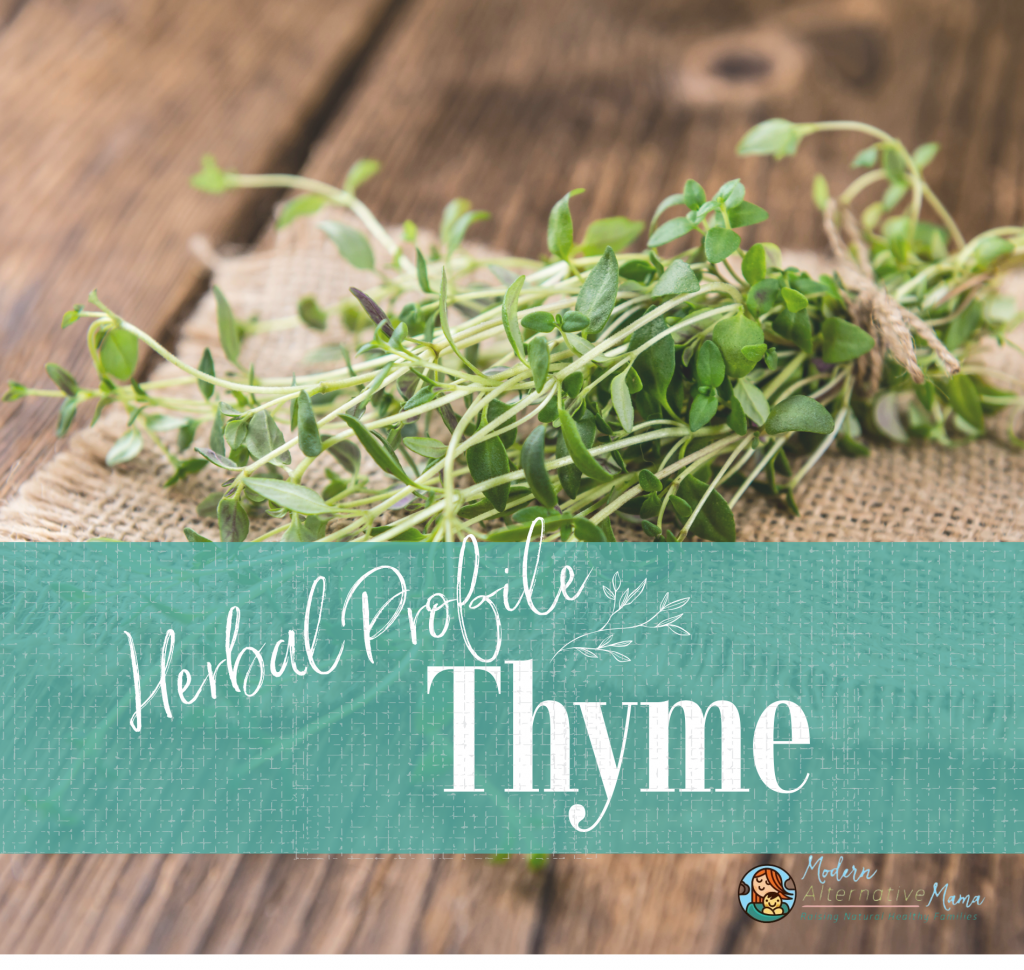
Thyme
Thymus vulgaris
Summary
Many people have a variety of herbs on their spice rack without realizing the incredible benefits even the most day-to-day herbs can provide. A staple ingredient in cooking, Thyme is a popular herb commonly found in kitchens due to its versatile applications. Native to Southern Europe and the Mediterranean region, it is a hardy perennial that is easy to grow once established. For culinary purposes, it provides a unique flavor complementing savory dishes, and it helps to extend the shelf life of foods (specifically meat). For medicinal use, it excels in supporting the respiratory system, serving as a digestive aid, and its nutritional content enhances overall wellness. Aromatic, slightly pungent, sweet, and earthy in flavor, thyme is an essential herb to the kitchen apothecary.
You might need thyme if . . .
- You have a dry, unproductive, or painful cough
- You have sluggish digestion
- You need additional immune support
Benefits of Thyme
- Packed with phytonutrients, minerals, and vitamins for general wellness support
- Enhances immune function
- Supports the thymus gland, an essential part of the immune system
- Helps soothe digestive troubles
- Assists in relieving respiratory complaints
- Regulates GABA receptor levels, which can contribute to a healthy stress response
Common Ways to Use Thyme
- Topically, as a wash or salve to accelerate wound repair
- Internally, as a tea, tincture, or medicinal syrup
- In aromatherapy, thymol (the volatile oil in thyme) has antioxidant, anti-inflammatory, and antimicrobial properties
- As a gargle or rinse to soothe oral complaints
- In cooking, to enhance the flavors of the meal and as a preservation technique (specifically for meat-based dishes)
Growing and Foraging Information
| Scientific Name | Thymus Vulgaris |
| Common Name | Thyme, Common Thyme, Wild Thyme |
| Hardiness Zones | Zones 5-9 |
| Soil Type | Well-drained, alkaline soil |
| Sun Exposure | Sunny location |
| Watering | Drought tolerant |
| Planting | Start from seeds indoors, or sow directly into the soil. |
| Height | 6-12 inches |
| Harvest | Harvest throughout the growing season. |
| Pests and Diseases | Generally, Thyme is pest- and disease-resistant due to its volatile oil content. If overwatered, it can develop root rot. |
Safety Concerns: Safe and non-toxic. Possible respiratory allergic response in sensitive populations.
Drug Interaction: If you have any health concerns or are taking any prescription medication, please consult with your healthcare provider before adding new herbs to your diet.
Breastfeeding and Pregnancy: There are no known contraindications for breastfeeding and pregnancy.
Select Studies About Thyme
In this article, researchers highlight the medicinal benefits of thyme and thymol (the essential oil of thyme). It details the nutritional and health benefits of thyme, noting that it contains vitamins A, B-complex, C, E, and K, as well as calcium, folic acid, iron, manganese, magnesium, potassium, and selenium. Additionally, it helps maintain GABA levels, which assists in stress relief. The article also focuses on the culinary benefits, noting that the use of thyme helps preserve foods (specifically meat). It highlights the antioxidant, anti-inflammatory, and antimicrobial effects of thyme and thymol.