
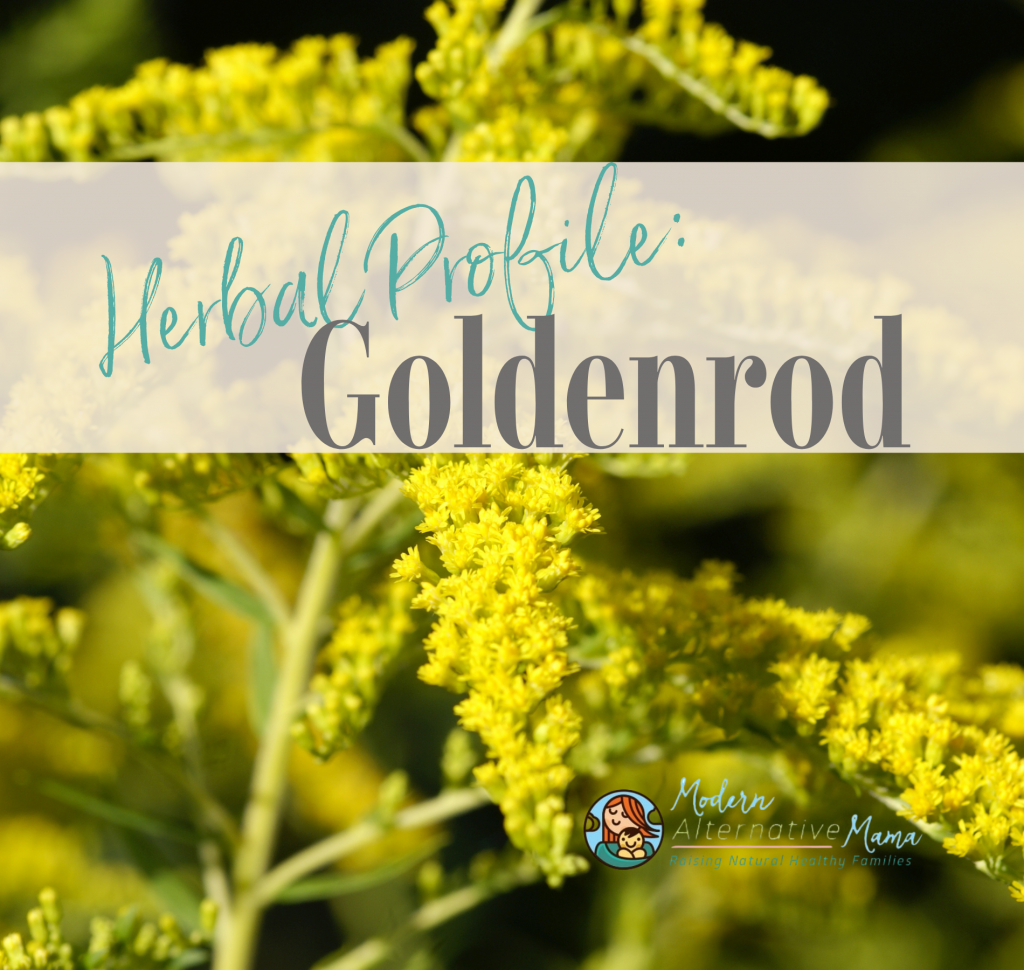
Goldenrod
Solidago spp.
Goldenrod is a bright herb known for its affinity for the urinary tract system, support for seasonal allergies, and anti-inflammatory properties. Often mistakenly blamed for hay fever (due to blooming alongside ragweed), goldenrod is actually an herbal ally for respiratory health. It also has antimicrobial, diuretic, and cellular regenerating properties, making it a versatile remedy in natural medicine.
You might need Goldenrod if . . .
- You experience seasonal allergies or sinus congestion
- You have urinary tract or kidney discomfort
- You want to reduce inflammation or improve joint motility
- You’re looking for natural lymphatic or diuretic support
- You need help drying out excess mucus
Benefits of Goldenrod
- Supports kidney and urinary tract health
- Acts as a gentle diuretic (without depleting minerals)
- Relieves sinus congestion and soothes allergies
- Anti-inflammatory and antimicrobial
- Supports cellular regeneration (topically)
- Helps tone tissues and reduces excess mucus
Common ways to use Goldenrod
- Tea or infusion: dried flowering tops steeped in hot water
- Tincture: Fresh or dried goldenrod in alcohol-based extract
- Infused oil: Applied topically for muscle aches or skin irritations
- Poultice: Crushed leaves or flowers are applied to wounds or bruises
- Steam: Inhale a strong tea to relieve sinus pressure
Growing and Foraging Information
Goldenrod is abundant in late summer to early fall and can often be found growing in open fields, along roadsides, forest edges, meadows, and disturbed areas. It is a native wildflower in many parts of North America and Europe. Look for tall stems topped with arching clusters of small, bright yellow flowers when foraging. Goldenrod has lance-shaped leaves that alternate along the stem. Be sure to harvest away from roadsides or areas that may spray pesticides. Only gather goldenrod from healthy, vibrant plants and always leave plenty behind for pollinators and future growth. Be cautious not to confuse it with ragweed, which has inconspicuous green flowers and causes hay fever.
| Scientific Name | Solidago spp. |
| Common Name | Goldenrod |
| Hardiness Zones | 3-9 |
| Soil Type | Well-drained, sandy to loamy soils, tolerates poor soil |
| Sun Exposure | Full sun to partial shade |
| Watering | Low to moderate; drought tolerant once established |
| Planting | Sow seeds or divide rhizomes in spring or fall. |
| Height | 2 to 5 feet tall |
| Harvest | Harvest flowering tops just as flowers begin to open in the late summer or early fall. Dry upside down in bunches. |
| Pests and Diseases | Generally resistant |
Safety Concerns
Goldenrod is considered a very safe herb. However, it should be used with caution if you have severe kidney disease, as diuretics can exacerbate certain conditions.
Avoid use if you have a known allergy to plants in the Asteraceae family (including ragweed and daisies).
Drug Interaction: If you are taking diuretics, consult your healthcare provider to avoid excessive fluid loss. If you have any health concerns or are taking any prescription medication, please consult with your healthcare provider before adding new herbs to your diet.
Breastfeeding and Pregnancy: There are no known contraindications for breastfeeding and pregnancy.
Other Concerns: It may increase urination—ensure adequate hydration. It can also dry mucus membranes.
Select Studies About Goldenrod
Sweet Goldenrod: Benefits, Anti-inflammatory Properties, Active Compounds, and Integrative Applications
This article highlights Sweet Goldenrod as a vibrant North American herb known for its golden blooms and wide range of health benefits. Traditionally used to support heart health, digestion, and immunity, it contains potent natural compounds like flavonoids and essential oils that also provide anti-inflammatory and antioxidant effects. Modern studies confirm its traditional uses and suggest potential for brain and liver support. Commonly consumed as tea or extract, it’s also valued in gardens for attracting pollinators. While generally safe, the herb should be used cautiously by those on blood thinners or with certain health conditions.
Goldenrod: Benefits, Dosage, and Precautions
In this article, goldenrod is presented as a traditional herbal remedy known for its use in teas and supplements, offering a variety of potential health benefits. Native to Europe and the Americas, goldenrod is valued for its anti-inflammatory, antioxidant, and decongestant properties, and may help with digestion, wound healing, and seasonal allergies. It’s most commonly consumed as tea but is also available in extract and tincture forms. While generally safe, the herb can interact with certain medications and should be avoided by individuals who are pregnant or have specific health conditions like diabetes, mental illness, or neurological disorders.