
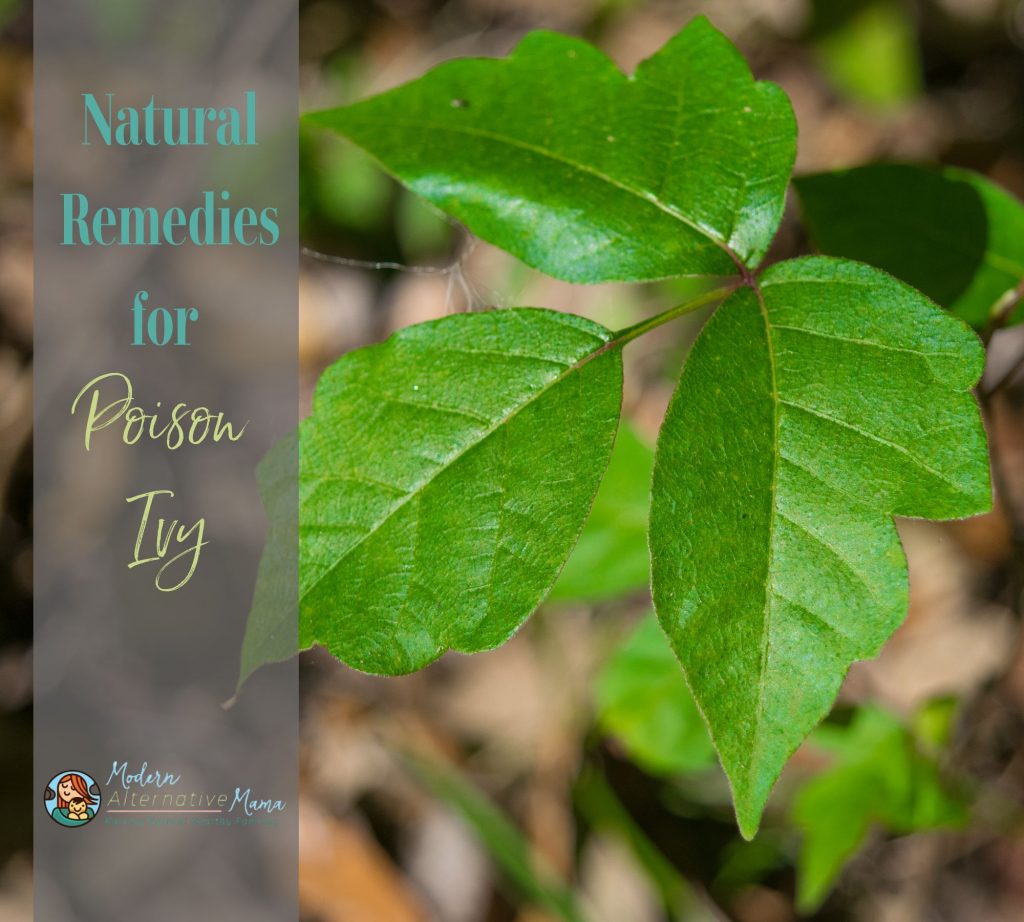
“Leaves of three, let it be” is a good note to remember. Sometimes, it is not accurate, but sometimes…it is!
If you have ever come into contact with poison ivy and reacted to it, chances are you will never forget that little rhyme! Not everyone who comes into contact with it will react to it, though – only about 7 out of 10 people will. For those unlucky ones who react to poison ivy, you want relief, and you want it fast.
What is Poison Ivy?
Poison ivy comes from a plant that secretes a toxin called urushiol. When your skin comes into contact with this, it causes contact dermatitis. Usually, you get poison ivy by coming into contact with any part of the plant itself. However, you can also get it from coming in contact with something else that has come into contact with the plant, like a dog that has rolled in it.
Poison ivy can cause an uncomfortable, itchy, red, and irritated rash, but most people can safely soothe it at home using natural remedies. However, if you experience severe symptoms such as widespread rash, swelling, difficulty breathing, signs of infection, or are allergic to poison ivy, please immediately seek medical attention.
How can one help Poison Ivy naturally at home?
Please keep in mind that while the majority of people who contract poison ivy can be soothed at home, a few people do have severe reactions to it.
Here are some ways to soothe the itch of poison ivy:
Oatmeal & Baking Soda Baths
These two pantry staples are so soothing. You can make a paste with equal parts and apply directly to the rash, or add 3/4 cup of each to warm bath water and soak for 15 – 20 minutes. This can help calm itching and irritation.
Jewelweed
Often found growing near poison ivy, jewelweed has long been used in traditional herbal care. The stems can be crushed and applied to the skin if fresh jewelweed is available. You can also look for natural soaps, salves, or lotions that contain jewelweed extract.
Aloe Vera
Aloe vera is naturally cooling and anti-inflammatory. If you keep a plant at home, simply cut a piece and apply the gel to the affected area. It helps calm irritated skin.
Clay & Activated Charcoal
Bentonite clay and activated charcoal can help draw impurities and irritants from the skin. Make a simple paste with water (or aloe) and apply as a gentle mask over the rash. Let it dry, and then rinse off with cool water. This may help soothe itching and inflammation.
Tea Tree Oil
Tea tree oil is known for its cleansing and drying properties. Once the area is clean, dilute tea tree oil with a carrier oil (like coconut or olive oil) before applying to avoid further irritation. Reapply as needed throughout the day to help soothe itching.
Apple Cider Vinegar
This can be dabbed onto the rash using a cotton ball to help soothe itching. Some find that its acidity helps dry out the rash more quickly. If your skin is sensitive, dilute with water before applying.
Witch Hazel
Witch hazel is a gentle astringent that can ease itching and help soothe inflammation.
Lavender Essential Oil
Lavender is one of the most skin-friendly essential oils. When diluted with a carrier oil, it can help soothe itching and promote skin recovery. Its calming scent can also ease the stress often accompanying uncomfortable skin flare-ups.
Things to Keep In Mind…
- Don’t scratch! Scratching irritates the rash, and you will likely make it much worse. You also run the risk of ending up with a scar from scratching. Use one of the remedies above to soothe itchiness.
- Try to keep it dry. Keeping it dry will help it calm and feel relieved faster!
- Clean up. Wash whatever came into contact with it—clothes, shoes, the dog, etc.
How Earthley can help…
In the moment:
Try Earthley’s Anti Itch Soap! This helps comfort and refresh the skin.
It is made with Saponified Organic Extra-Virgin Olive Oil, Saponified Organic Coconut Oil, Saponified Organic Mango Butter, Saponified Organic Castor Oil, Saponified Organic Neem Oil, Witch Hazel Bark, Organic Chamomile Flowers, Organic Blackberry Leaf, Tea Tree Essential Oil, French Green Clay, Helichrysum Essential Oil, and Frankincense Frereana Essential Oil.
Black Drawing Salve is traditionally used to cleanse and clarify the skin gently.
It is made with Organic Castor Oil, Organic Extra-Virgin Olive Oil, Activated Charcoal, Bentonite Clay, Candelilla Wax, and Lavender Essential Oil.
After care:
All Purpose Salve: A multi-use herbal salve designed to moisturize and soothe dry, rough, or irritated skin
Sun Soothe: A cooling and calming balm formulated with gentle botanicals to comfort exposed skin
Deep Healing Serum: A serum to reduce the appearance of scarring and improve the appearance of dry, uneven skin

I had 12 weeks of full-blown, housebound poison oak this winter/spring, and I found some awesome remedies to get me through. After the initial bout or two with poison oak, my skin kept reacting to a dry mold issue in our new rental. But here’s the remedies: tea tree oil is great for the purse to relieve itch while out and about, banana peel is great tied on to the inflammations, http://poisonoaksoap.com Marie’s Original Bar is wonderful for healing and relieving the itch (around $4 in my local pharmacy), and the best one of all to have in your cupboard after any exposure, even up to a day or more later: Mean Green Hand Scrub. It’s sold under a different name at the pharmacy for $40/oz by someone who left the company, but at the website, you can order 64 oz for $20, plus a reasonable amount of shipping. Anytime you are exposed to ivy, oak, sumac, wash with this scrub. Its particles (safe for our skin) go down to the 7 layers of skin and BREAK THE PROTEIN BOND that the oil makes with your skin molecules. In other words, unlike Technu which must be used within 15 minutes before the bond is formed, Mean Green Hand Scrub can be used at any point when you realize you may have been exposed. I now carry this in my car as well as in our bathroom for every time I handle wood for our stove. 🙂
I’m learning about Bentonite clay, and I’d definitely give that a try if I ever get poison oak again!
These are great suggestions, but the first thing you should do if you suspect you have come in contact with poison ivy/oak/sumac is wash the affected area immediately with a dish detergent (Dawn works best, but any will do )… even on the dog 🙂 The plants leave an oil on the skin that will irritate it and develop into that yucky itchy rash. Detergent breaks up and lifts away oil (it is used it to clean wildlife after an oil spill). A good laundry detergent will get it out of clothing, however, a friend of mine said her homemade laundry soap did not work and the “clean” clothes spread the rash to other areas of the body. I used to be a camp nurse and I PREVENTED lots of poison ivy rashes this way! I keep dish soap in first aid kits too.