
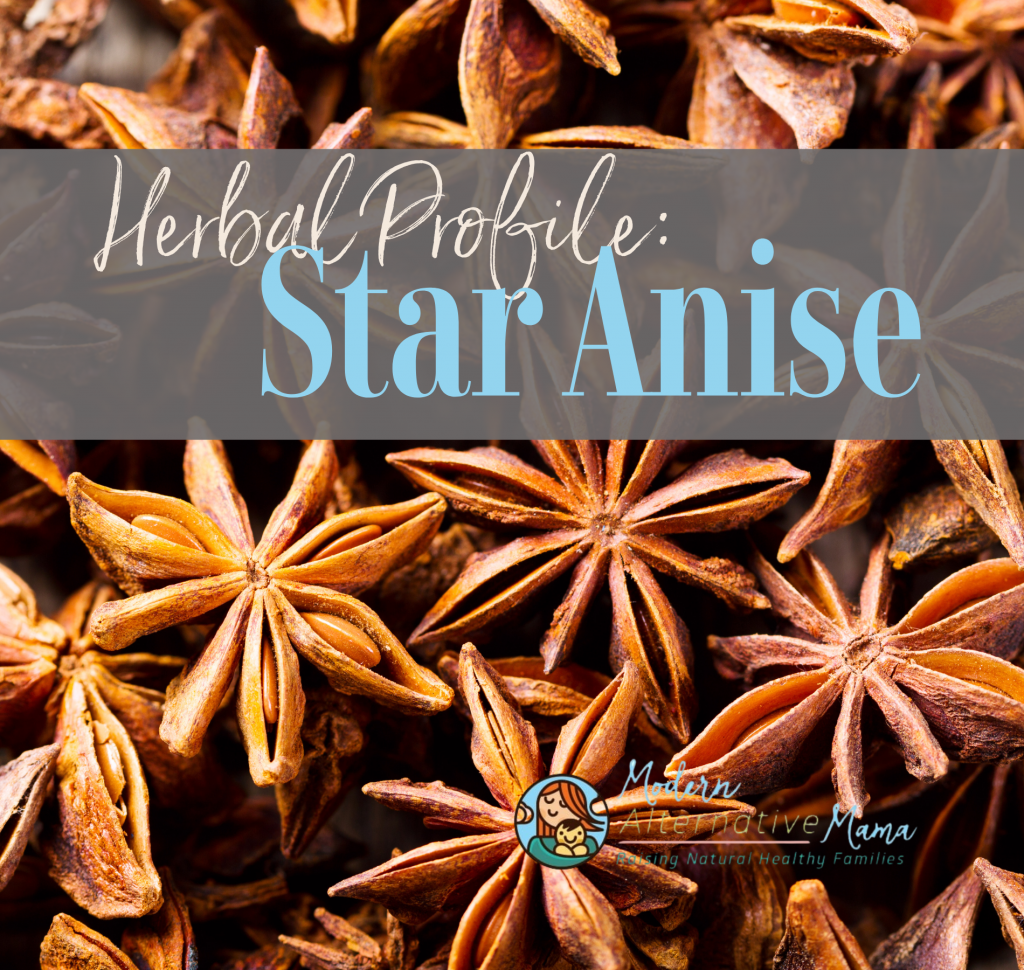
Star Anise
Illicium verum
Star Anise is star-shaped with a warm, sweet licorice-like flavor. Native to China and Vietnam, it’s well known for its culinary use and has long been used in traditional medicine for digestion, respiratory health, and as an antimicrobial agent. It contains compounds with powerful antioxidant and antiviral effects, including shikimic acid, which is used to make antiviral drugs.
You might need Star Anise if . . .
- You have a cold or cough and want to try a natural remedy
- You feel bloated or gassy after meals
- You’re supporting your body through illness and want herbal immune support
- You’re making a warming herbal tea or spice blend
Benefits of Star Anise
- Supports digestion and relieves bloating and gas
- May help reduce coughing and respiratory inflammation
- Contains antioxidants and antimicrobial compounds
- Natural source of shikimic acid (used in antiviral medications)
- May help balance blood sugar and reduce oxidative stress
Common ways to use Star Anise
- Added whole to broths, teas, or chai blends
- Simmered in mulled cider, syrups, or herbal decoctions
- Ground into spice blends (like Chinese five spice)
- Infused into oil or honey for medicinal use
- Steeped into tea to ease digestion or cough
Growing and Foraging Information
Star Anise is not typically foragable in most regions of North America; it’s best cultivated or purchased from trusted sources. Be careful not to confuse it with Japanese star anise (illicium anistatum) – which is toxic.
| Scientific Name | Illicium verum |
| Common Name | Star anise |
| Hardiness Zones | 8-10 (tropical/ subtropical) |
| Soil Type | Well-draining, slightly acidic soil |
| Sun Exposure | Full sun to partial shade |
| Watering | Keep moist, especially in hot/dry climates |
| Planting | Grown from seed or cutting; slow-growing evergreen shrub/tree |
| Height | Up to 15-20 feet at maturity |
| Harvest | Pick star shaped fruits when fully ripe and dry in the sun |
| Pests and Diseases | Generally resistant. May be negatively affected by overly wet soil. |
Safety Concerns
Drug Interaction: If you have any health concerns or are taking any prescription medication, please consult with your health care provider before adding new herbs to your diet. Star Anise may interact with medications that affect the nervous system, blood pressure, or hormones due to its bioactive compounds.
Breastfeeding and Pregnancy: There are no known contraindications for breastfeeding and pregnancy. Just be sure to use good quality.
Other Concerns: Always purchase from reputable sources.
Select Studies About Star Anise
Star anise (Illicium verum): Chemical compounds, antiviral properties, and clinical relevance
In this article, researchers highlight the powerful health benefits of star anise, a spice commonly used in food and traditional Chinese medicine. It’s the main natural source of shikimic acid, which is what’s made in a lab to create drugs such as Tamiflu – a controversial (for good reason) flu drug. Star Anise also contains compounds with antioxidant, antimicrobial and anti-inflammatory effects, and may help with digestion, pain relief, coughs, and hormone balance. This review shows how a simple spice can have big medicinal value.
Star Anise: A review on benefits, biological activities and potential uses
In this article, researchers review the wide-ranging benefits and traditional uses of star anise, a spice long used in Asia for treating colds and easing pains. It’s rich in powerful plant compounds like anethole and shikimic acid—the latter being the key ingredient in flu medications. This article also covers how star anise is grown, harvested and processed to be used in foods, medicines and oil products.